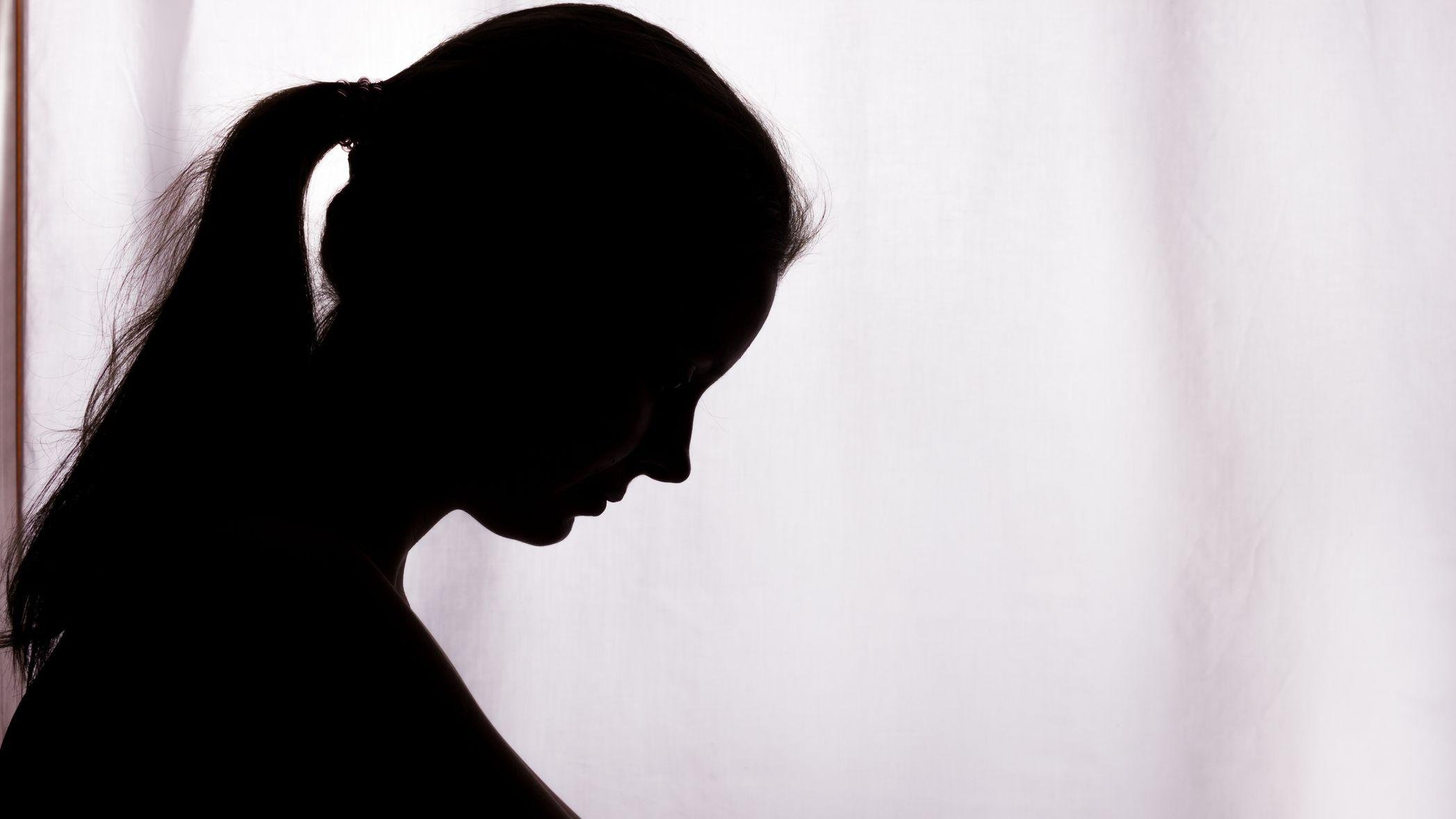
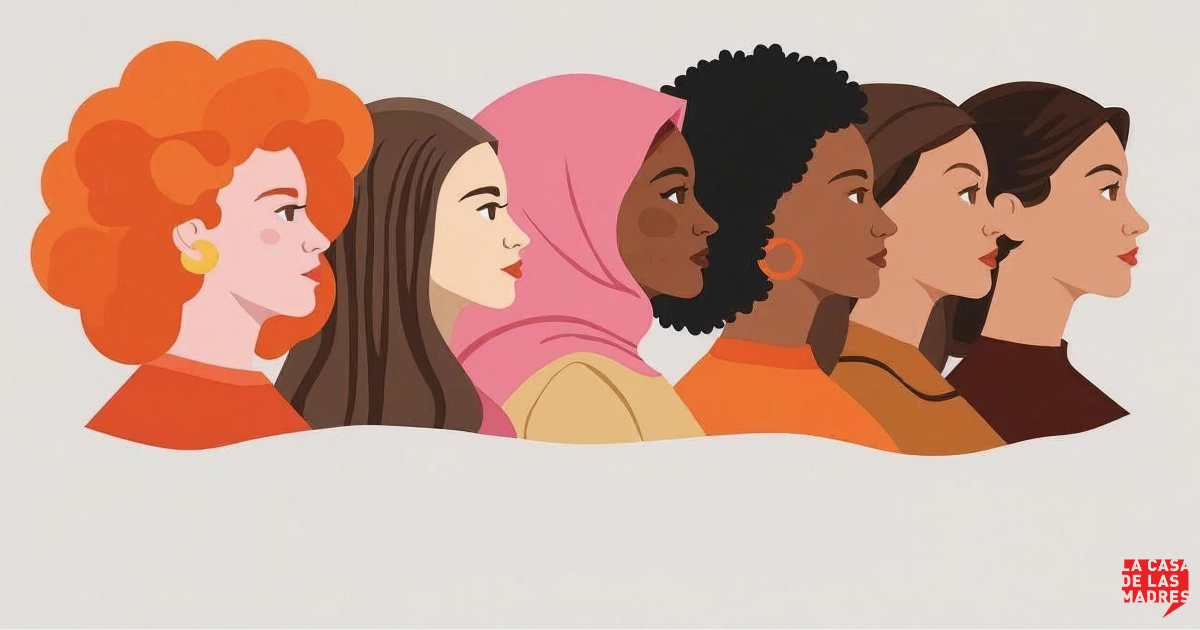

Mental health challenges go far beyond routine stress, and this is particularly true for survivors of domestic violence (DV). Did you know that 20% of DV survivors develop mental health conditions as a result of their trauma? In this context, Mental Health Awareness Month offers an opportunity to understand how DV impacts mental health.
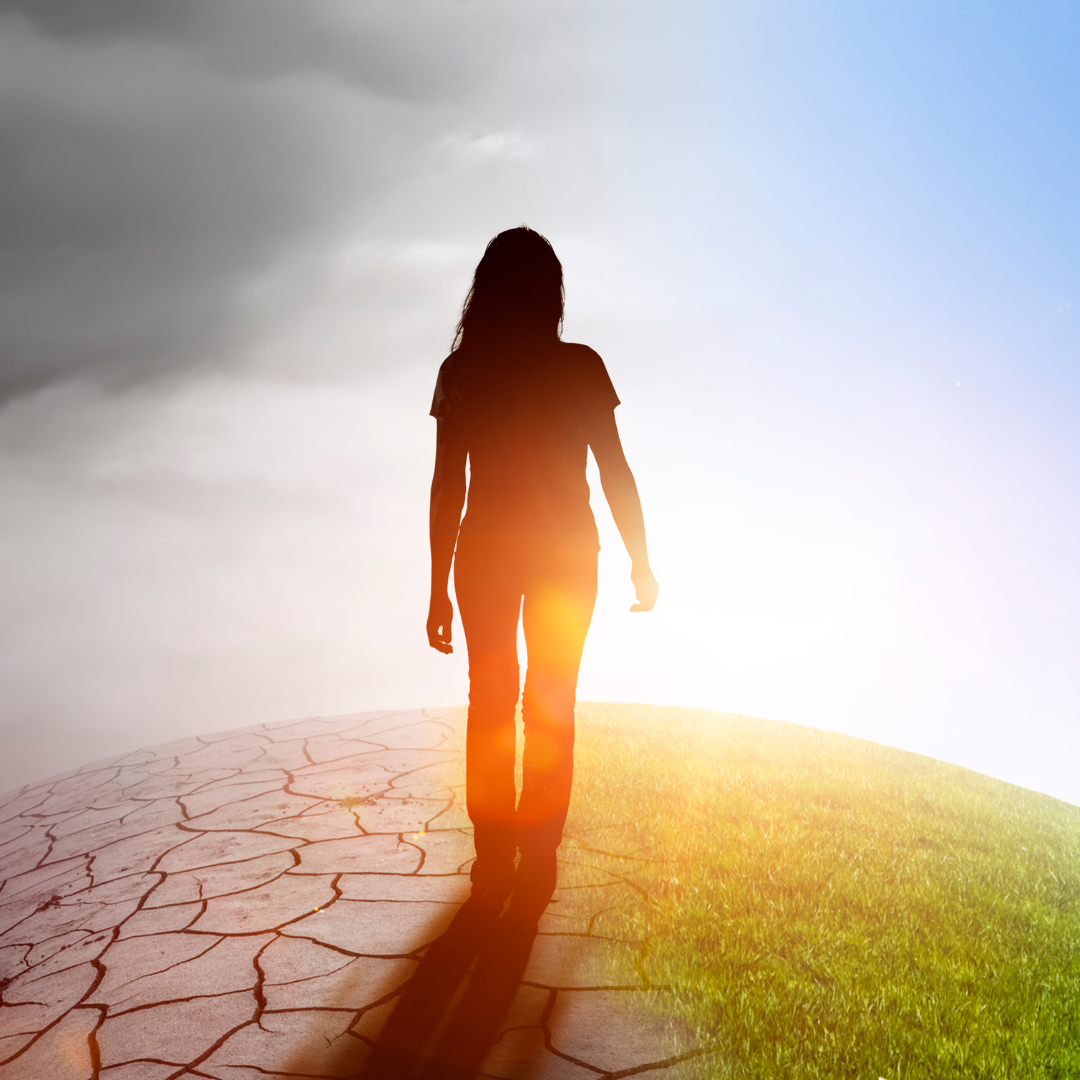
Empowerment Model: What is it and How it works
When we talk about helping domestic violence survivors, it’s easy to think first about shelters, police reports, or court systems. And while those are important, they’re only part of the bigger picture. At La Casa de las Madres, we operate under the Empowerment Model, which shifts the focus: it’s all about giving survivors the power to reclaim their lives—in their own way and on their own terms.
Breaking the Silence: The History of Domestic Violence and the Legacy of La Casa de las Madres
In 1976, a coalition of San Francisco women—many of whom had experienced domestic violence first hand—recognized the dire lack of resources available to survivors. At the time, emergency shelters for women fleeing abuse were virtually nonexistent, and the legal, medical, and political systems largely ignored the issue. Women who left abusive partners faced the terrifying reality of homelessness, financial insecurity, and, often, further violence.


