
The Super Bowl—one of the biggest sporting events of the year—is almost here. For many, it’s a time to gather with friends and family, whether at the stadium or at home, enjoying snacks, drinks, and the excitement of the game. This year is especially exciting for the San Francisco Bay Area, as Super Bowl LX will be hosted at Levi’s Stadium.
While most people look forward to big sporting events for the love of the game, the energy, and the celebration, there is another side to these large-scale events that often goes unnoticed. For survivors of domestic violence and for individuals experiencing human trafficking, this time can be especially difficult. Emotions tend to run high, alcohol consumption often increases, and major events bring a large influx of visitors, people flying in, hotels filling up, and temporary workers being hired to meet demand. Together, these factors can create conditions that increase risk and vulnerability.
So how are human trafficking, domestic violence, and major sporting events connected? Let’s take a closer look.
Human Trafficking
Human trafficking is a form of modern-day slavery that affects communities across the world. While large sporting events like the Super Bowl do not cause human trafficking, they can create environments that traffickers exploit. Trafficking is not always obvious, and it can take many forms.
Some individuals may be brought in to work long hours for little or no pay, live in unsafe or overcrowded conditions, or face financial, emotional, or physical threats if they do not comply. In the lead-up to major events, there may also be an increase in sex trafficking. With an influx of visitors, temporary workers, and unfamiliar faces, traffickers may see these moments as opportunities to target new victims and connect with buyers while remaining largely unseen.
Not sure how to spot human trafficking? Here are some warning signs to watch for:
Individuals may feel pressured to stay in a job and be threatened with harm, job loss, or deportation if they try to leave or report abuse.
They may be closely monitored and coached on what to say if questioned.
Employers may control their money or confiscate identification and official documents.
Victims may experience abuse, isolation, unsafe working conditions, or lack access to basic needs.
There is no single profile of a trafficker; they can be a stranger, intimate partner, family member, or acquaintance.
If you or someone you know may be experiencing human trafficking, call the National Human Trafficking Resource Hotline at 1-888-373-7888. If you see something, say something.
Domestic Violence
Football is a high-impact sport, and while the violence seen on the field is part of the game, the emotions tied to it can sometimes spill over into fan behavior. Tensions can rise when a favorite team loses, rivalries intensify, and alcohol consumption increases, sometimes leading to conflict among fans and, more concerning, within homes.
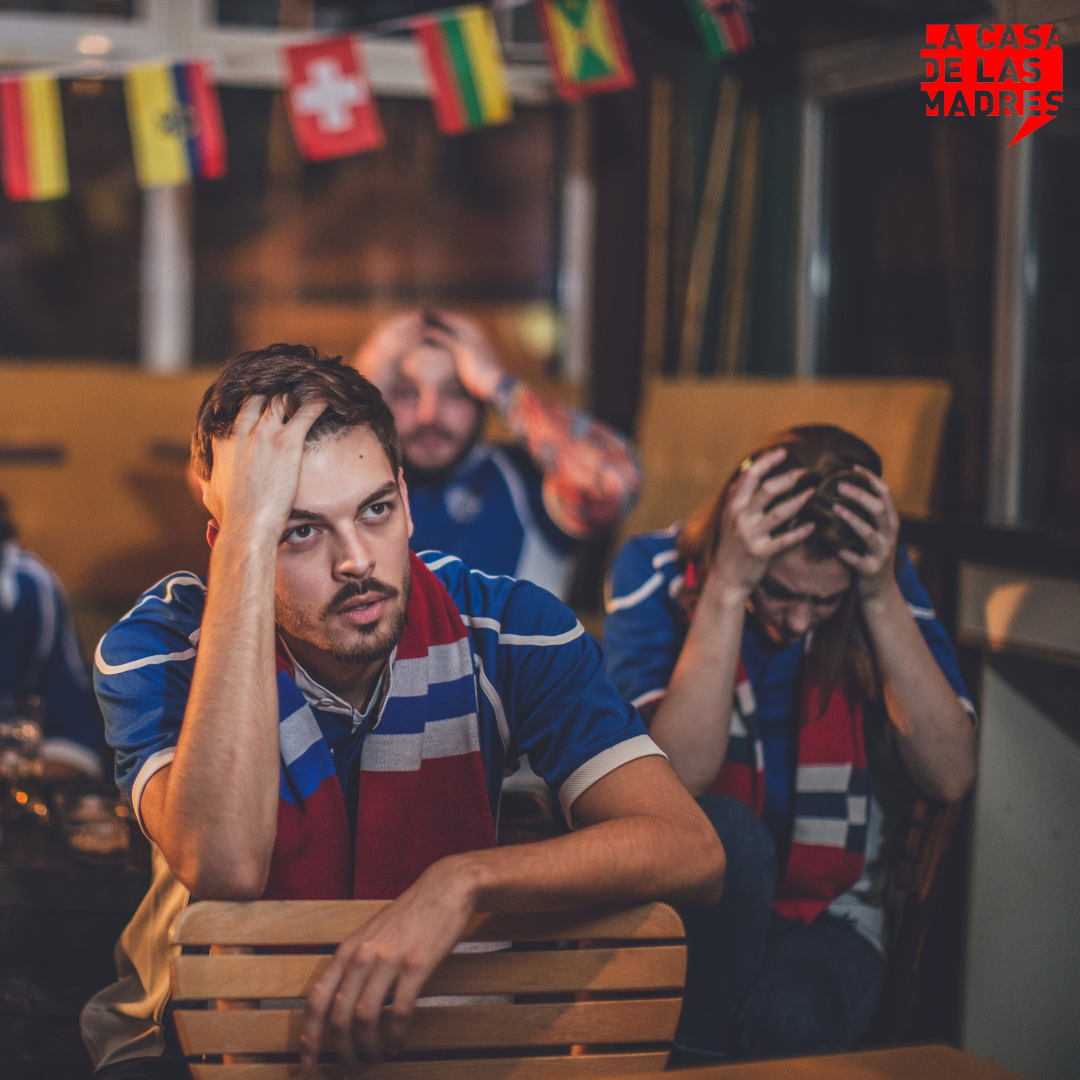
Big sporting events bring emotional highs and lows: excitement during the game, joy after a win, and frustration or anger after a loss. For individuals experiencing intimate partner violence, these shifts can increase risk. When a game, especially one involving major rivals, doesn’t go as hoped, frustration may be redirected toward partners or children.
Verbal, emotional, or physical abuse may escalate after a loss, placing victims in dangerous situations. Studies have shown that during football season, police often receive more domestic violence–related calls on Sundays following games than on other days. There can also be added pressure to host game-day gatherings in homes where abuse is already occurring. In these situations, survivors may feel forced to appear happy and welcoming while experiencing harm behind closed doors.
Sports should be something people can enjoy, not moments filled with fear for someone’s safety or life.
If you suspect someone may be experiencing domestic violence, here are ways you can help:
Intervene when it’s safe. If a situation is escalating, look for safe ways to de-escalate, create a distraction, or help the person at risk move to a safer space.
Check in privately. Reach out without judgment. Listen, believe them, and let them know they are not alone.
Help create a safety moment or plan. Small actions that offer a reason to step outside, invite them on a quick errand, or help identify trusted contacts can make a meaningful difference.
If you or someone you know is experiencing domestic violence, La Casa is available to support:
Text Line: (415) 200-3575
Teen Line: (877) 923-0700
Adult Line: (877) 503-1850
Big events like the Super Bowl bring excitement, pride, and community, but they also remind us of the importance of awareness, compassion, and action. Looking out for one another can help ensure these moments remain celebrations, not sources of harm.