
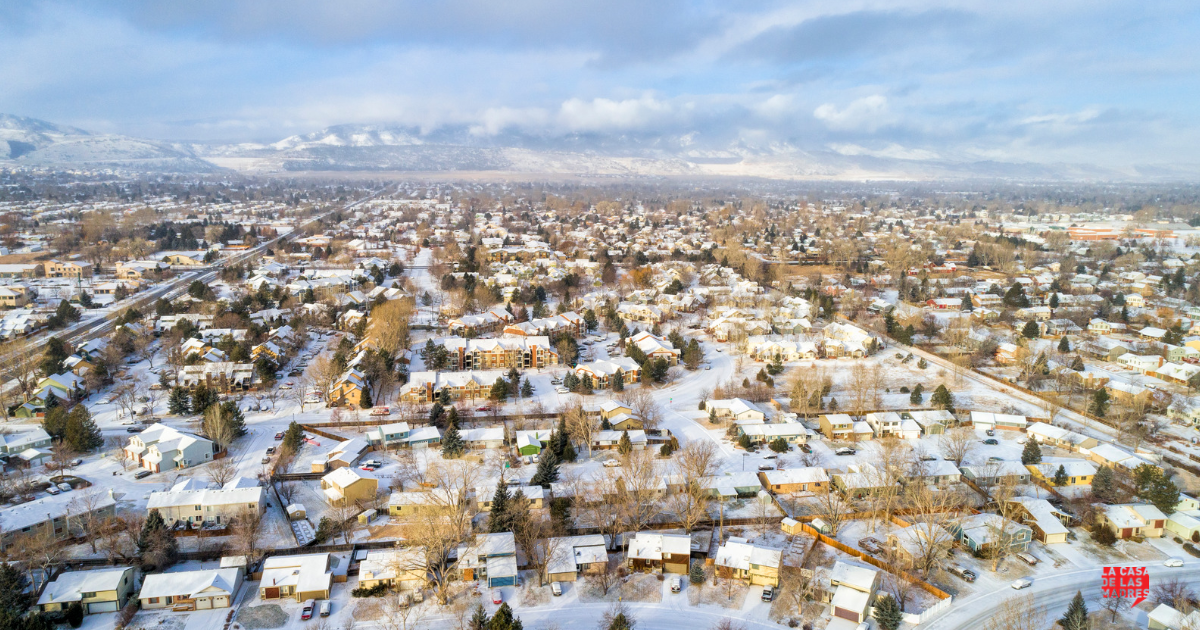
As winter approaches, routines get disrupted, adding another layer of uncertainty for survivors seeking safety. Colder temperatures, shorter daylight hours, and breaks from school often mean spending more time indoors. Isolation that comes with the seasonal change may compound with the isolation that survivors are already experiencing from their abusive partners. Additional barriers to seeking help, from financial instability to seasonal affective disorder and a general uncertainty around housing. The colder months can intensify concerns about where they’ll sleep, how they’ll meet basic needs, and how to keep their children safe.
What is Seasonal Affective Disorder (SAD)?
Seasonal affective disorder (SAD) is a type of depression associated with seasonal changes, most commonly beginning in the fall and continuing through the winter months. Shorter daylight hours and changes in daily routines can contribute to symptoms such as persistent sadness, low energy, or difficulty concentrating. Some individuals might experience withdrawal from social activities and find it more difficult to reach out to friends and family.
For survivors, these challenges may add to the isolation they already experience. An abusive partner may restrict contact with loved ones, control access to transportation, or limit a survivor’s ability to leave the house independently. When feelings of isolation and sadness become more difficult to manage, reaching out may feel overwhelming.
Added Challenges of Finding Safety in Winter
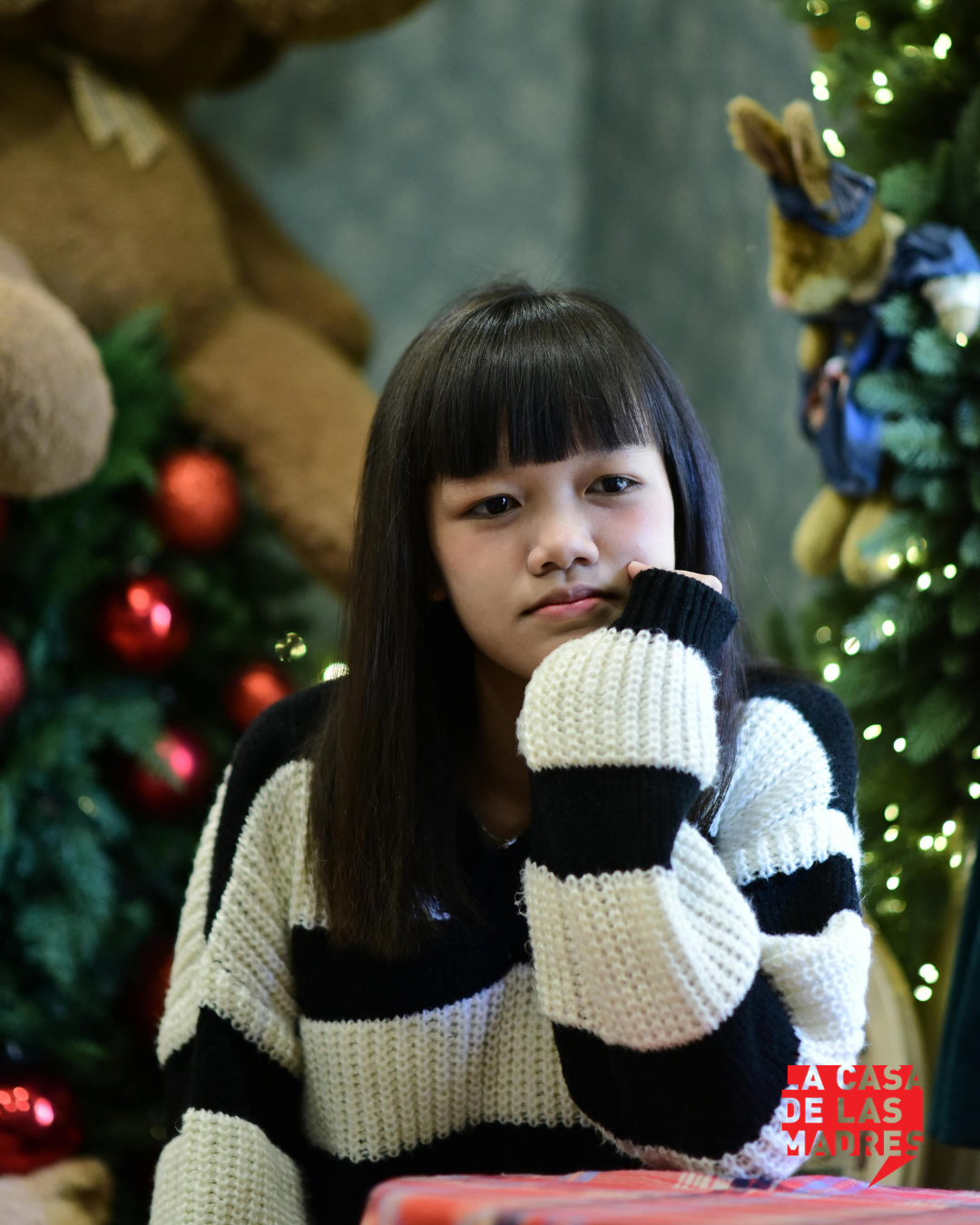
The National Coalition Against Domestic Violence reports a 20% increase in 911 calls reporting domestic violence incidents in December during the holiday season. Hosting and/or attending holiday gatherings and additional seasonal pressures contribute to tension and stress. Sometimes survivors set their feelings aside to spend time with their abusive partner or ex-partner to maintain a sense of normalcy for their children and families, which can lead to escalations. In conjunction with these changes, common triggers during this time include financial stress, substance use, and resource gaps due to limited hours and closures at support centers.
Housing instability is a significant concern for many survivors. Over 50% of homeless women reported that domestic violence was the immediate cause of their homelessness. Survivors face the risk of being kicked out into extreme cold weather by their abuser. Additionally, leaving an abusive situation can mean losing access to a shared home, financial resources, or other necessities. Concerns intensify for parents wanting to keep their children comfortable when navigating unfamiliar environments. When affordable housing seems impossible to find, survivors may feel forced to weigh their immediate safety against the uncertainty of where they will go next.
Making Safety Accessible All Winter Long
The need for emergency shelter does not begin or end when the seasons change. However, supporting survivors through the winter months highlights the impact of limited safe housing options and the added challenges brought on during this time of year.
At La Casa de las Madres, we believe everyone deserves access to safety and support. Through our Emergency Shelter, crisis response, and advocacy, we work to support survivors as they navigate their options and move toward a future free from violence. Survivors and their children may access our confidential shelter for up to 8 weeks. Throughout their stay, all of La Casa’s resources and programs are accessible in their pursuit towards safety and stability.
Having a safe and warm place to stay goes beyond having a roof over your head. For survivors, emergency shelter can provide protection from abuse, access to essential resources, and the opportunity to plan for their future. Everyone deserves a safe place to turn.
Article Written By La Casa’s Development Team