

Netflix’s second season of Worst Ex Ever is difficult to watch—not because the violence is shocking, but because it is familiar.
The first episode, which chronicles the case of Wade Wilson, the so-called “Deadpool Killer,” exposes something advocates and survivors have always known: many perpetrators do not begin with murder. They begin with coercion, strangulation, sexual assault, stalking, and intimate partner violence. And too often, they are allowed to continue escalating because systems fail to respond.
In the episode, survivor Kelly Matthews recounts reporting brutal violence and sexual assault to law enforcement months before Wilson later murdered two women. Footage included in the documentary shows Detective Potter interviewing Wilson in ways many viewers found alarming and dismissive. According to reporting following the documentary’s release, the detective later faced internal discipline after investigators concluded the sexual assault investigation had not been handled thoroughly.

But this story is not just about one detective or one department. It is about a national crisis hiding in plain sight.
Domestic violence affects more than 12 million people in the United States every year, according to the National Domestic Violence Hotline. Women who have been strangled by an intimate partner are more than seven times more likely to later be killed by that partner, a fact that has become central in lethality assessments nationwide.
And yet survivors continue to encounter skepticism at every level.
They are asked whether they fought back hard enough. Why they stayed. Why they returned. Why they waited to report. Whether they are exaggerating. Whether there is “enough proof.”
The reality is that trauma rarely presents itself in neat timelines or perfect evidence. Many survivors report abuse multiple times before meaningful intervention occurs. Others stop reporting altogether because prior experiences with systems left them feeling blamed, ignored, or retraumatized.
When institutions fail to respond appropriately, violence does not stop. It escalates.
That escalation is visible throughout Worst Ex Ever. The docuseries repeatedly shows patterns advocates recognize immediately: emotional abuse becoming physical violence; strangulation becoming sexual violence; coercive control becoming homicide.
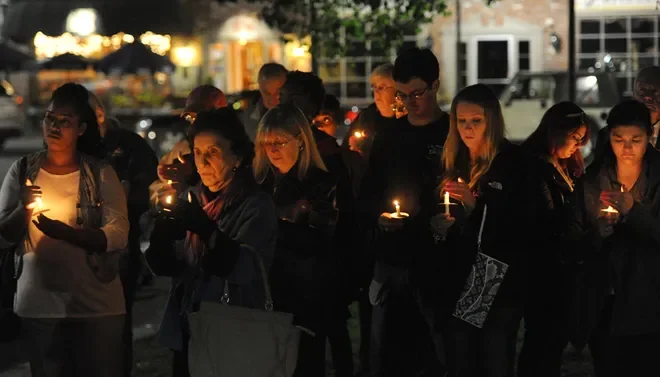
This is why domestic violence cannot be treated as a “private matter.” It is a public health crisis, a housing crisis, a workplace issue, and a systemic failure with deadly consequences.
Survivors are often forced to choose between danger and homelessness. Between reporting abuse and risking retaliation. Between seeking help and risking not being believed.
And in today’s political climate, these risks are intensifying.
Across the country, funding for victim services remains unstable while housing costs soar. Public discourse increasingly minimizes violence against women and marginalized communities. At the same time, online culture continues romanticizing violent men through true crime fandoms and viral notoriety, something the documentary itself painfully highlights in Wilson’s post-arrest attention.
We should all be disturbed by that.
But outrage alone is not enough.
We need systems that understand trauma. We need law enforcement agencies trained to recognize coercive control and lethality indicators. We need sustained investment in shelters, crisis lines, counseling, and prevention, not just after tragedy makes headlines, but before it does.
Most importantly, we need to listen when survivors speak.
Because the tragedy at the center of Worst Ex Ever is not simply that violence occurred. It is that someone tried to warn us.
And no one acted soon enough.
Written by: Lusero Arias, J.D. Executive Director of La Casa de las Madres.