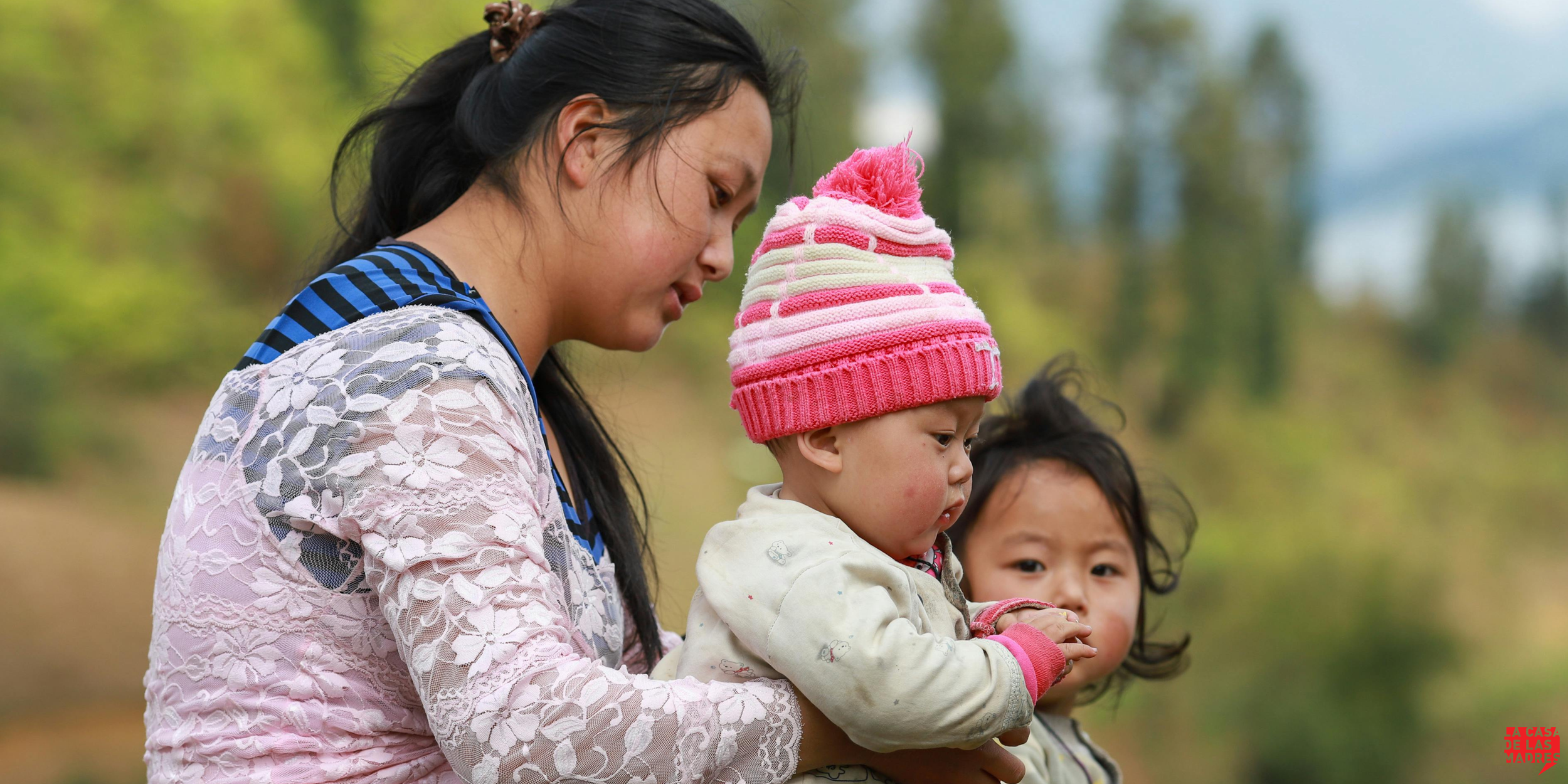
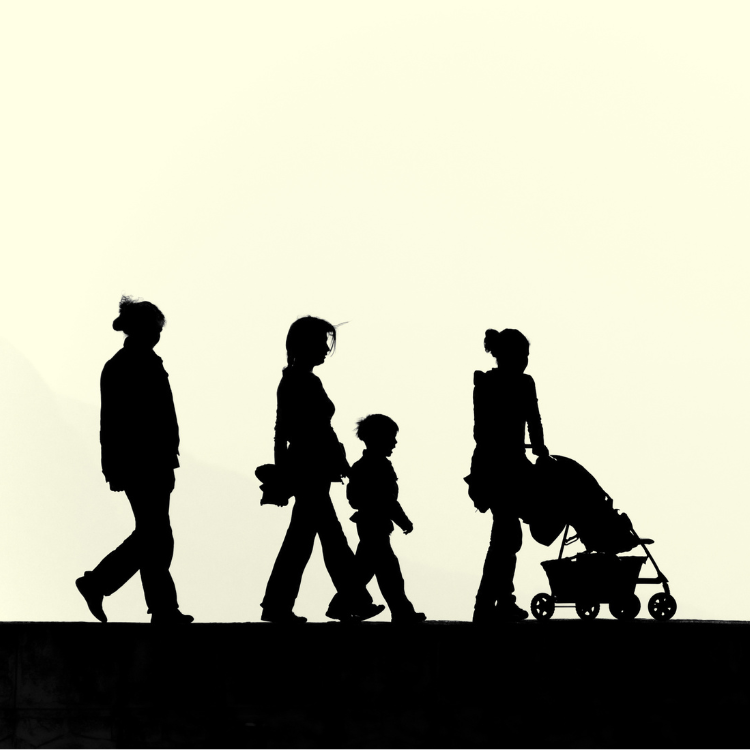
Leaving an abusive partner is already an incredibly difficult decision many survivors make, and when children are involved, it becomes exponentially more complicated. According to a report carried out by the U.S. Department of Justice, “[thirty to sixty percent] of perpetrators of domestic violence also abuse children in the household.” This statistic highlights the choice that millions of mothers face today; do they remove themselves and their children from an abusive situation or stay because they have nowhere else to go? Due to custody laws, financial instability, and safety barriers, many mothers feel unable to leave their abuser.
Custody is a concern for any parent considering leaving their partner, however in an abusive relationship the consequences become severe for both mother and child. In California, the Failure to Protect Law states that if “The child has suffered…serious physical harm or illness as a result of the failure or inability of his or her parent or legal guardian to supervise or protect the child adequately” the parent in question will lose custody of the child and can even be prosecuted. This discourages many mothers from coming forward about abuse they have experienced or witnessed due to fear of losing their children to the foster care system, or worse, to their abuser. Unfortunately, this fear is actualized in fifty percent of cases, where the abuser gains custody of the child, according to the Center for Relationship Abuse Awareness.
The Failure to protect law covers not just the witnessed abuse of a child, but the inability to feed and provide shelter. Mothers interested in leaving their abusive partner who have nowhere else to go now face a new challenge: homelessness. 99% of DV relationships have an element of financial abuse. An abuser can create a monetary dependence to make it harder for their partner to leave. When children are added to this circumstance, it can seem impossible to support not just oneself but their children as well. In their lifetime, thirty-eight percent of domestic violence survivors experience homelessness; this is roughly triple the likelihood of those who have not dealt with domestic violence. It is for these reasons that confidential emergency shelters, accessible low income housing, and financial mentoring is so important for survivors of relationship violence.
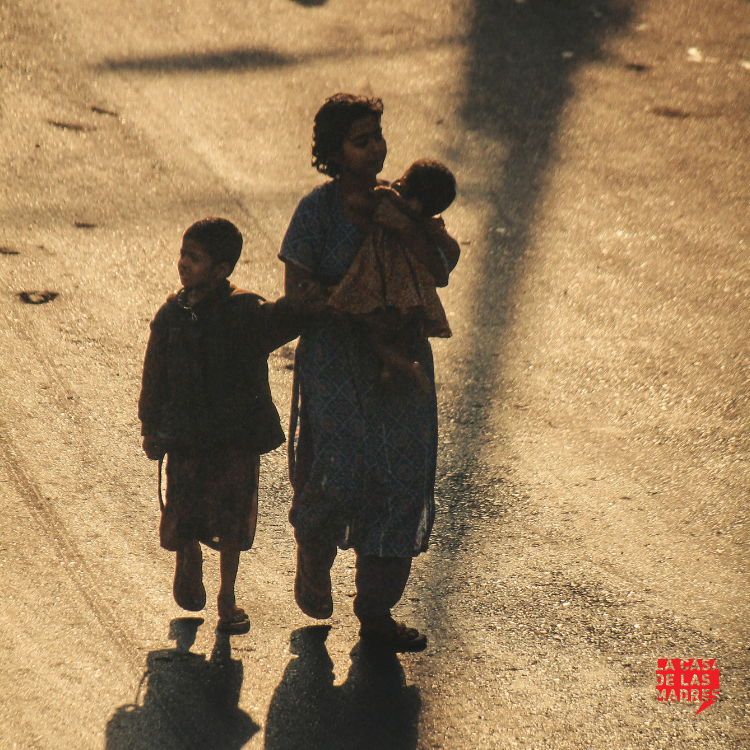
Separating a mother from her child is often more detrimental to the safety of all parties involved. More often than not, this leads to mothers and children staying with their abusers. At La Casa de las Madres, our mission is to help survivors of domestic violence and their children escape abusive homes by providing them with emergency shelter, family counseling, and life saving services, further ensuring a safe path towards a future free from violence. This May 10th will mark our 50th Mother’s Day spent helping survivors find safety, financial security, and legal representation for not just themselves but their children. This mothers day, we encourage you to ask how you can support the mothers and women in your life.
Interested in supporting the survivors we serve? Email donations@lacasa.org to donate flowers or something sweet to our Mother’s day Brunch at our Emergency Shelter. We also invite you to honor your mother figure, and empower another by making a donation to La Casa de las Madres. When you make a donation in honor of mothers, we will send your honoree a special Mothers Day Card! : https://secure.qgiv.com/for/mothersdaycampaign26/
Author: Roxanne Baggott - Development Team Intern
Sources:
https://courts.ca.gov/sites/default/files/courts/default/2024-11/jv121.pdf