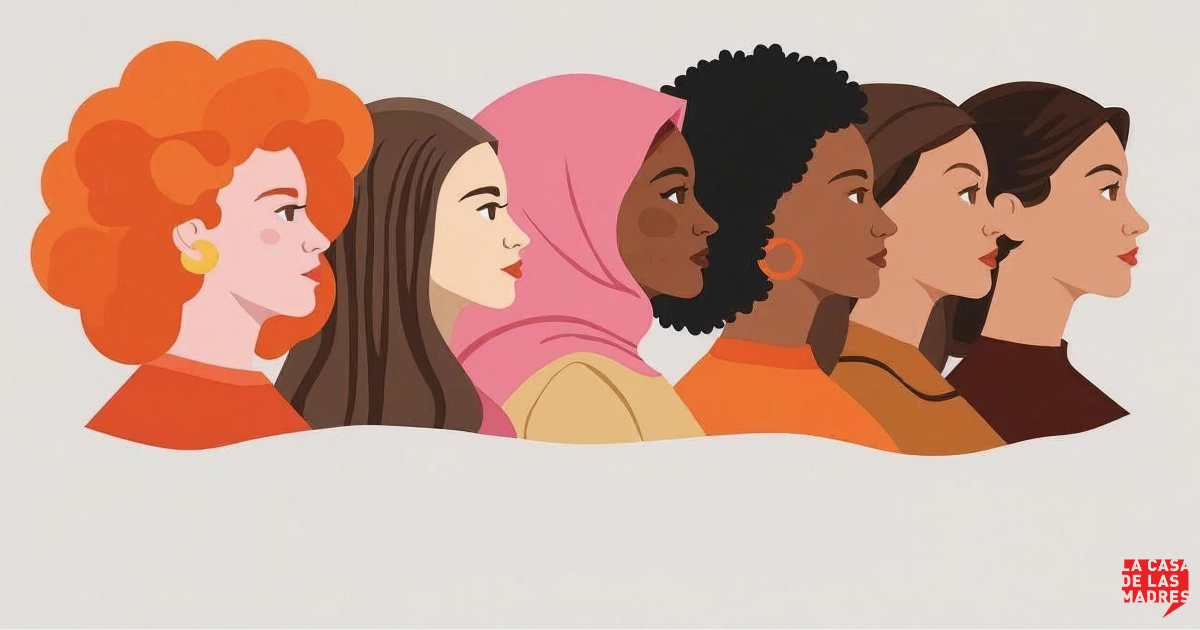
In recognition of Women's History Month, we want to honor the legacy of the Battered Women's Movement. Historically, Domestic Violence has been categorized as a form of gender-based violence due to the disproportionate number of survivors who identify as Women. That said, it would be remiss not to acknowledge that anyone can be a survivor of relationship violence, regardless of gender, age, background, etc.
For centuries prior to the beginning of the Battered Women’s Movement, it had been seen as a husband’s right to abuse his wife and children. In 1871, in a groundbreaking turn of events, Alabama became the first state to legally rescind this right, and in 1872 Maryland became the first state to actually criminalize wife-beating. Progress remained slow in the 1940s as women entered the workforce in record numbers during WWII. However, over the next few decades, the financial freedom women gained through working strengthened the dialogue around women’s rights. By the late 1970s, the Battered Women’s Movement was rapidly growing, and domestic violence shifted from a taboo subject to a widespread social justice issue.
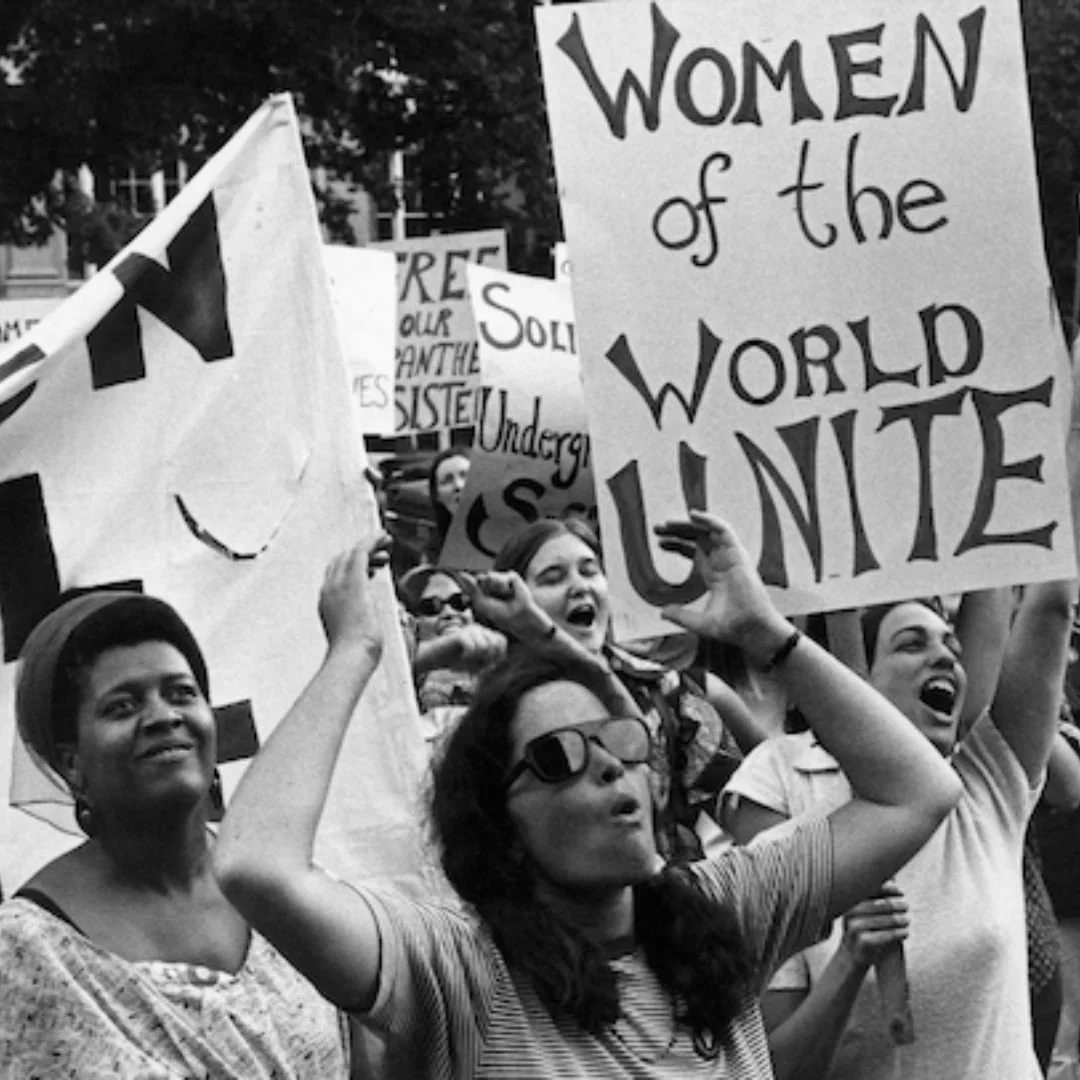
A key feature of the Movement was that there was no single group pushing for reformation. Instead, there were several pre-established unions and organizations that collaborated to increase awareness and resources for battered women. This allowed the highly experienced women in charge of these groups to efficiently organize without disproportionate strain on any one organization. Further, there was a range of expertise: some were focused on public health, others on social work, and still others on legal reform. Some key groups included the National Organization for Women (NOW), women’s religious groups such as the Women’s Christian Temperance Union, abolitionists, and health professionals such as the nurses of the Brigham Hospital in Boston, MA. These groups were all crucial in providing diverse resources to women facing domestic violence.
The first women’s shelter, Haven House, was opened in 1964 in Pasadena, CA; while it did not exclusively exist to address domestic violence, it paved the way for other organizations to make shelters for this specific purpose. La Casa de las Madres’ shelter opened in 1976, and this was the first shelter in California specifically for women and children escaping domestic violence. After that, the growth was exponential: by 1979, there were over 250 shelters, and by 1983 that number grew to surpass 700. They served as a place for women and children to heal emotionally and physically, recover financially, be in community with other survivors, and figure out what their next steps looked like. On top of this, they were able to quantify how many women came in and out of shelters each year. The research and statistics that came out of this period allowed organizations to help survivors more effectively. Today, shelters are still a critical component of helping people find safety in the face of domestic violence.

Finally, in the 1990s, the work of these organizations against domestic violence began to pay off federally. Legislative reforms swept the nation, including the criminalization of marital rape across the US (1993), the Violence Against Women Act (1994), and the creation of various governmental agencies dedicated to ending domestic violence, and much more.
Domestic violence remains a widespread issue today that is complex and ever-changing, but the various resources that we have now are largely thanks to the women who pioneered the Battered Women’s Movement in the late 20th century.
Written By: Roxie Baggott